
Wedding Planning Notes · Lost Valley · Auburn, Maine
Event Manager vs. Day-of Coordinator:
What’s the Difference?
Two roles, one wedding day—and a conversation worth having before you book.

If you’re planning a wedding, you’ve probably heard all these titles: venue coordinator, Event Manager, wedding planner, wedding coordinator and day-of coordinator.
After a while, they can start to sound like different names for the same person. But the title alone doesn’t tell you what that person is responsible for.
I’m Kayla, the Event Manager at Lost Valley in Auburn, Maine, and I’ve also worked independently in wedding coordination for more than seven years. I’ve managed weddings as the person responsible for the venue, and I’ve coordinated weddings as the person responsible for the couple and their entire day.
Those roles work together. They sometimes overlap. And yes, sometimes you’ll see me doing things that don’t fit neatly into either job description. Because weddings aren’t particularly interested in job descriptions.
“But helping with something isn’t the same as being responsible for managing it.”
That’s the difference I want couples to understand.
What Does an Event Manager Do?
When you book your wedding at Lost Valley, I become your primary contact for everything involving your event here. That work begins long before you walk down the aisle.
We’re talking about guest count, floor plans, menus, dietary restrictions, bar service, linens, tables and chairs, ceremony plans, reception setup and how your event will flow through our property.
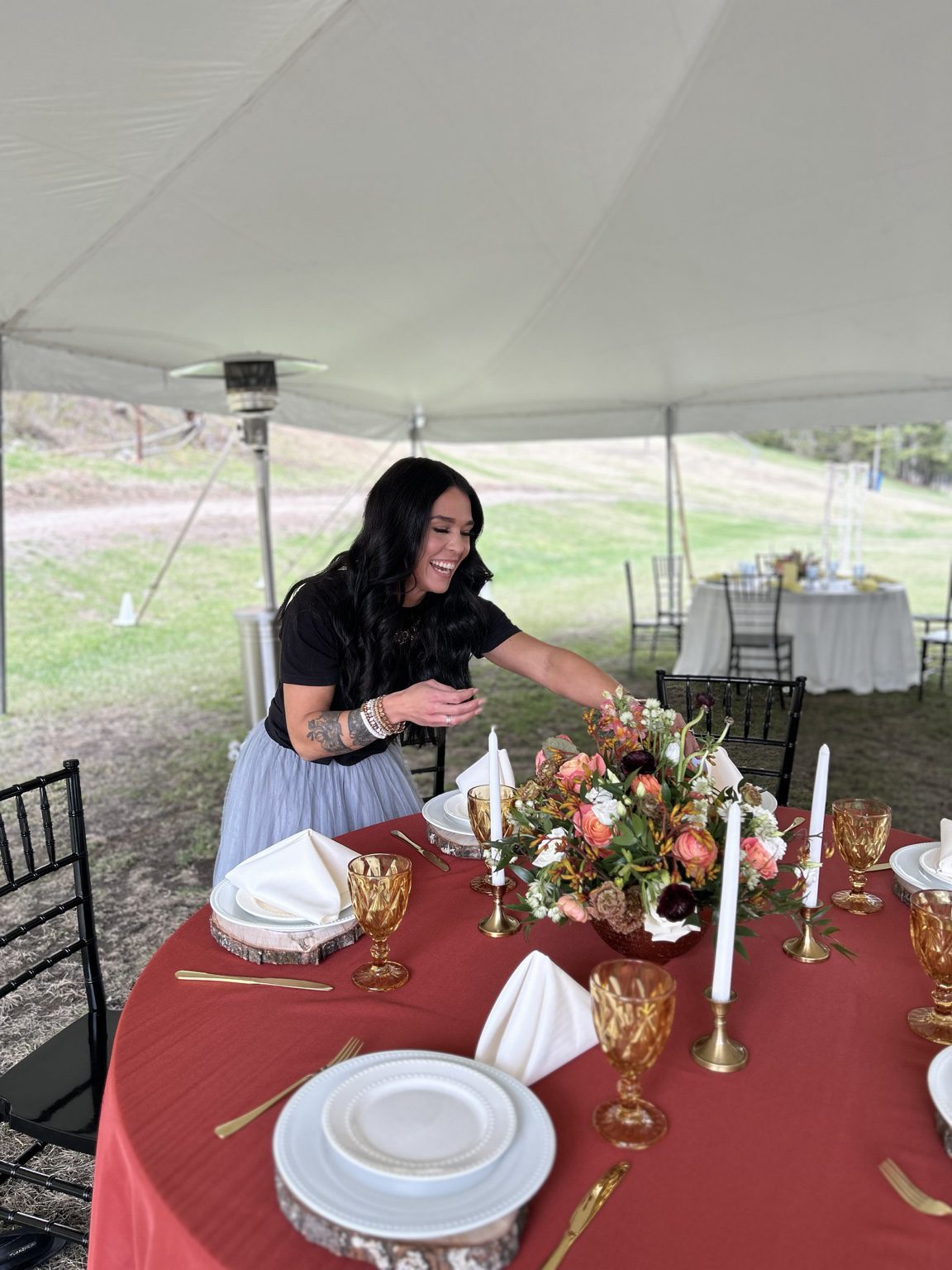
Behind the scenes, I’m turning those conversations into an actual event. I’m communicating with our culinary team, determining staffing needs, ordering linens and making sure our setup and service plans match what we’ve discussed.
On wedding day, I’m checking that the room is set correctly, cocktail hour is ready, dietary meals are accounted for and our kitchen, bar and service staff know what needs to happen next.
My job as Event Manager is to make sure Lost Valley delivers what Lost Valley promised you. Having our venue, food, bar and staff working from the same plan helps us keep those pieces connected.
What Does a Day-of Coordinator Do?
A Day-of Coordinator is working for you—the couple—across the parts of the day included in their services. And despite the name, good “day-of” coordination doesn’t really begin on the wedding day.
Your coordinator needs to understand the plans beforehand: your vendors, arrival times, getting-ready locations, transportation, ceremony, photography schedule and personal details.
Who has the rings? Who’s lining up the wedding party? Who knows where your personal décor belongs? Who makes sure Dad is in the right place at 2:15 for a first look? Who’s watching the clock while you’re taking photos?
Your Event Manager is looking at what needs to happen at the venue. Your coordinator is connecting the pieces involving you, your wedding party, family and vendors throughout the day.
The exact responsibilities depend on the services you’ve agreed on. That’s why it’s worth asking what’s included rather than relying on the job title.
What That Looks Like on Wedding Day
Let’s say dinner is scheduled for 5:30 p.m.
Event Manager
As the Event Manager, I’m checking with our culinary team. Is dinner ready? Is the buffet or service area prepared? Are dietary meals accounted for? Is our staff ready?
Day-of Coordinator
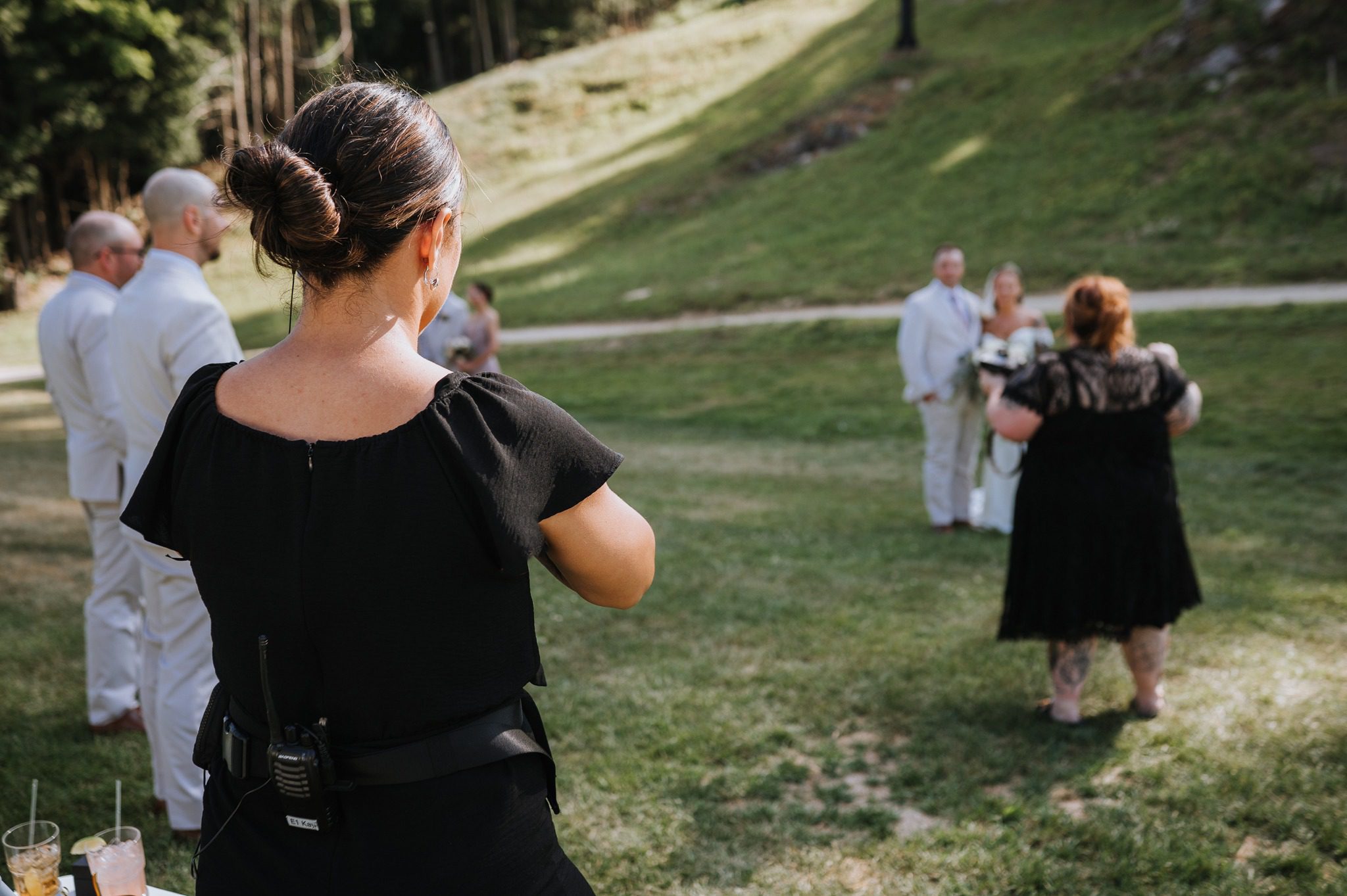
Meanwhile, your Day-of Coordinator might be figuring out why the wedding party is still outside taking photographs, locating the person giving the blessing, communicating a timing change to the band or DJ and getting everyone where they need to be.
We’re both working toward dinner happening successfully. We’re responsible for different pieces of making it happen.
If photography runs fifteen minutes behind, I need to know because it may affect dinner. If the kitchen needs another ten minutes, your coordinator needs to know so they can adjust what happens next.
When those two roles work well together, you probably won’t notice any of it. That’s the goal.
The Venue Timeline and Your Wedding Timeline
As the Event Manager, I need a timeline that tells our kitchen, bar and service staff when guests arrive, when cocktail hour begins, when dinner is served and when the event ends.
A coordinator’s timeline may start hours earlier, with hair and makeup, photographer arrival, getting dressed, a first look and transportation. It may also include ceremony lineup, family photographs, bustling your dress and collecting personal items at the end of the night.
Those plans need to line up. A delay in one part of the day can affect everything that follows.
A good coordinator isn’t simply checking boxes. They’re paying attention and helping adjust the plan when weather changes, photographs take longer or somebody needs five quiet minutes.

Sometimes It’s the Little Things
Some of my favorite moments in wedding coordination will never appear on a timeline.
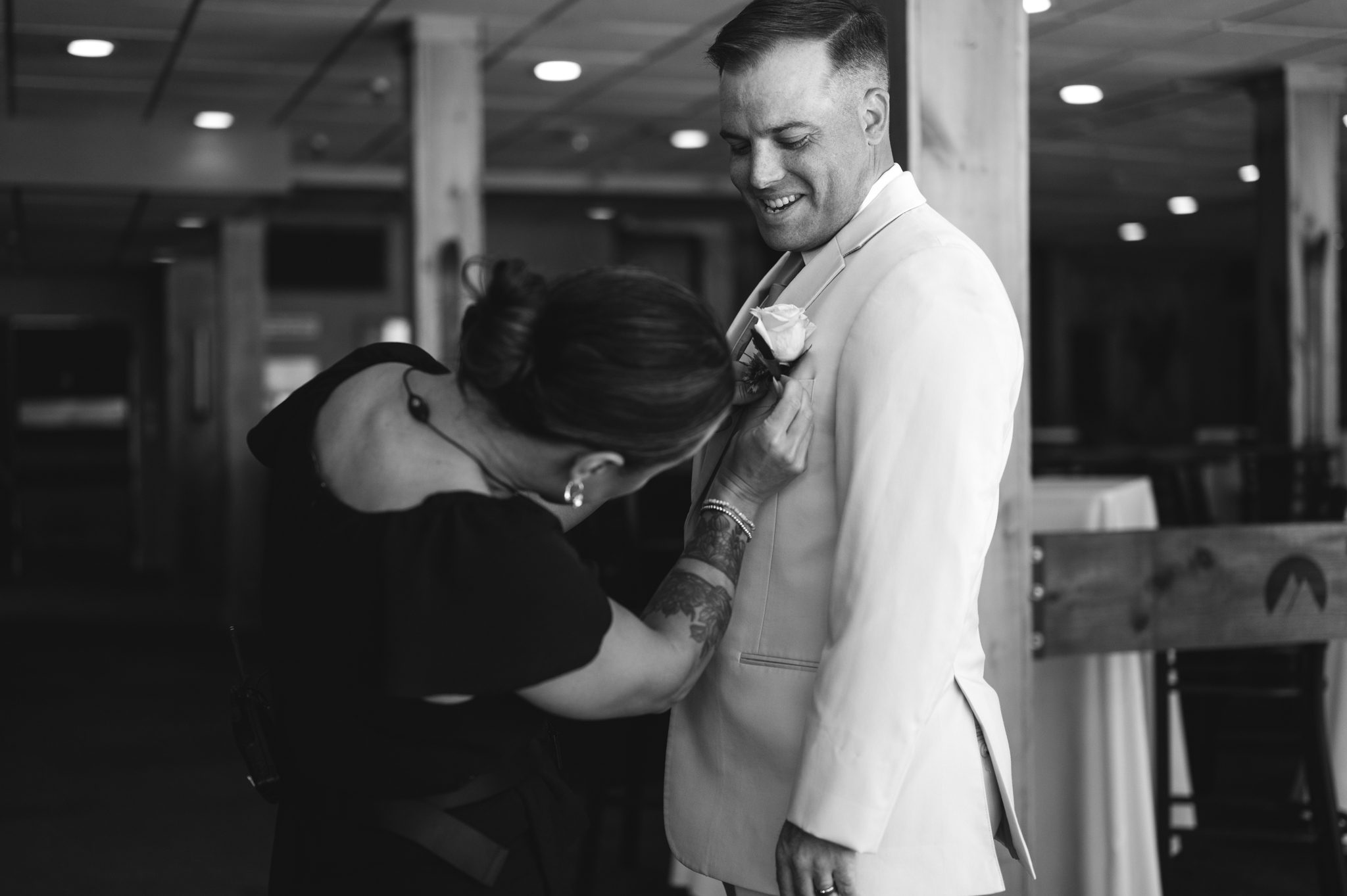
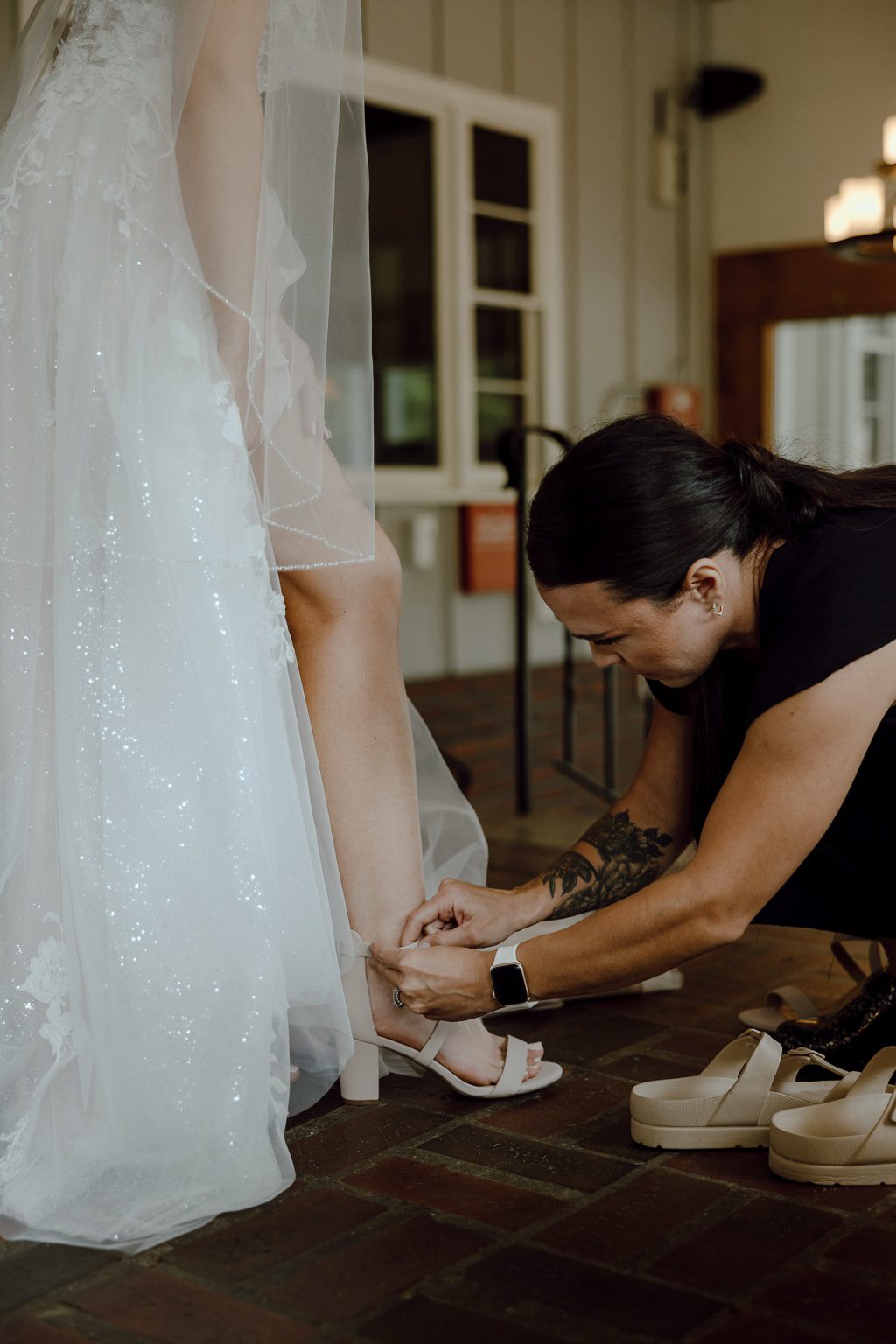
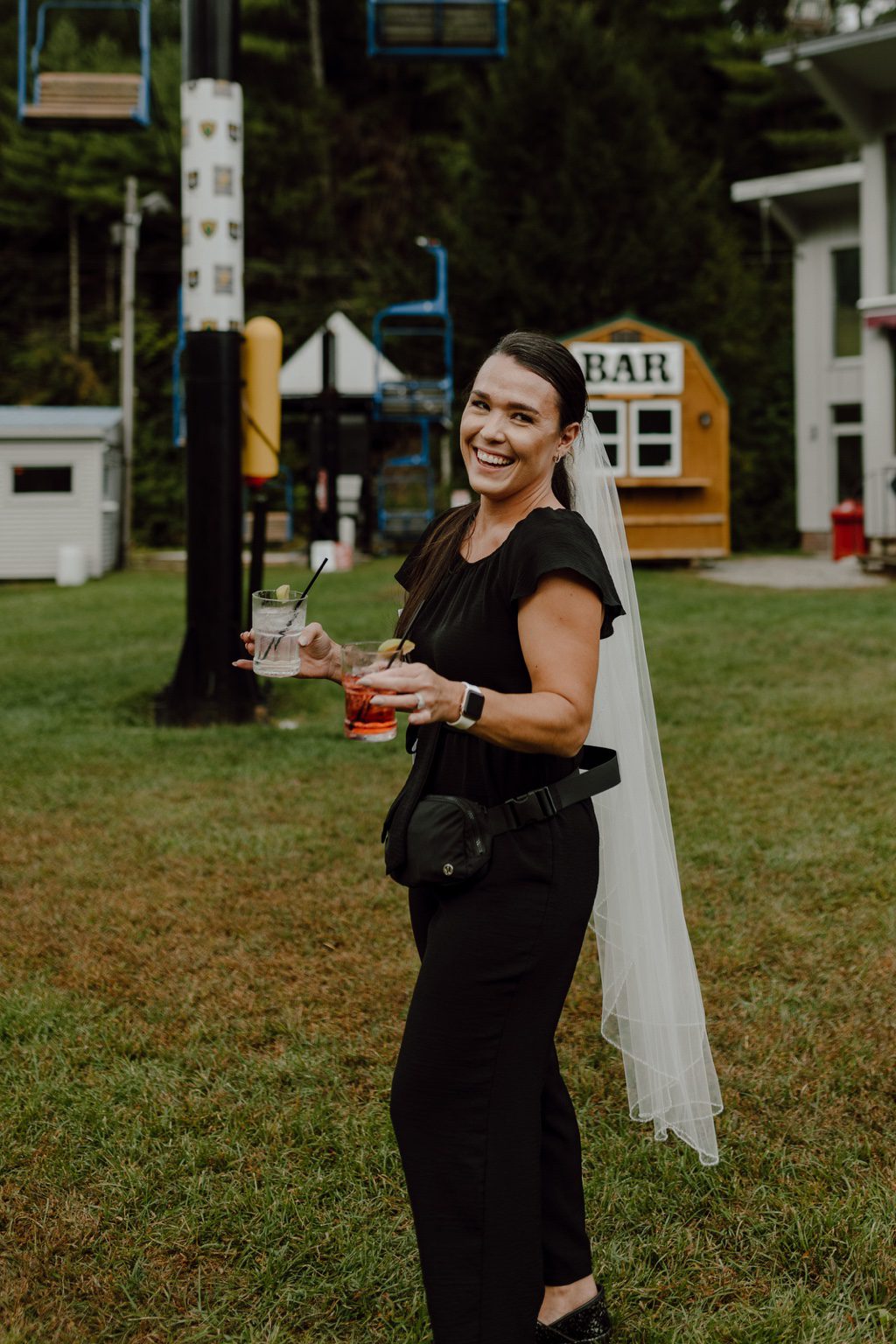
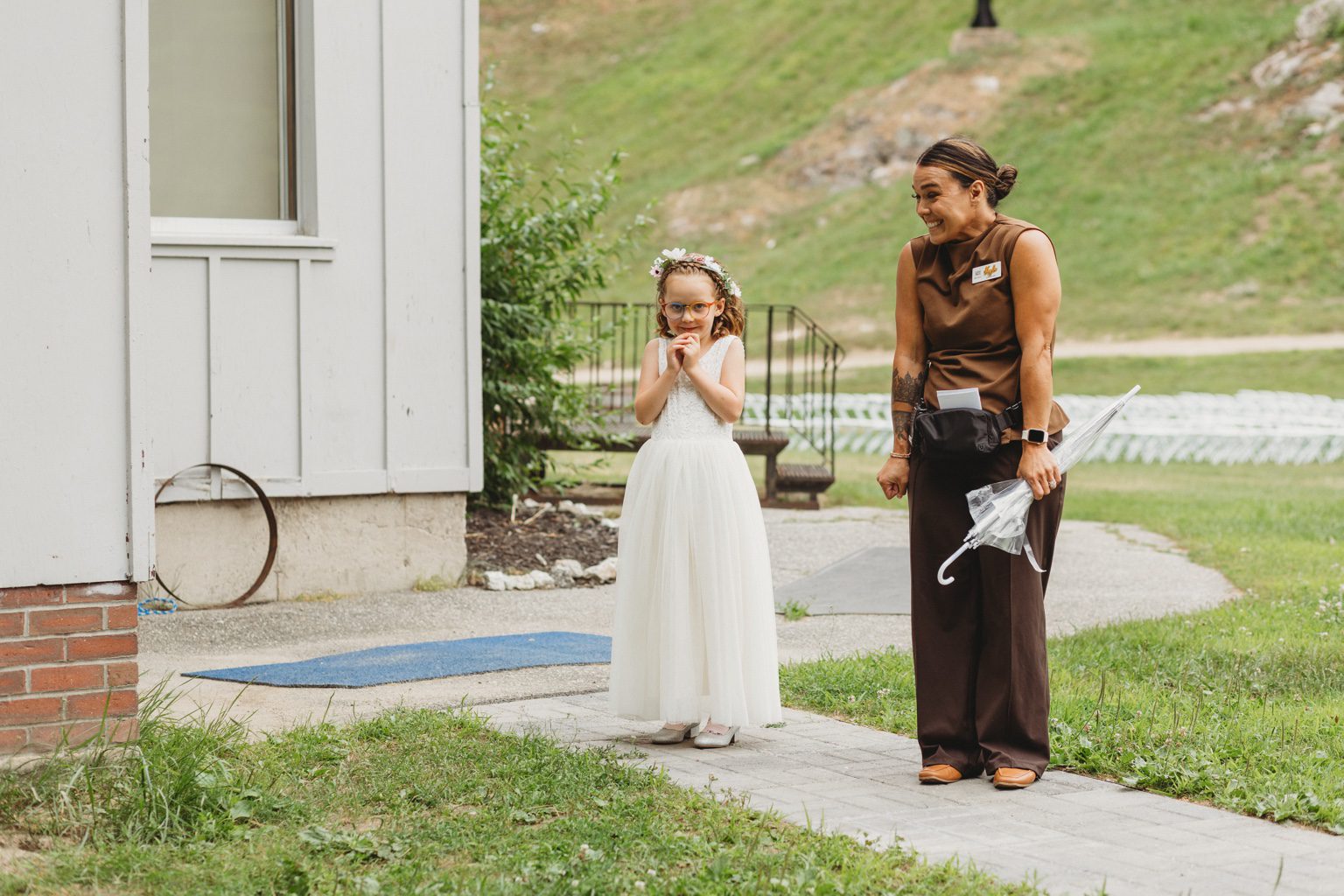
Pinning a boutonnière five minutes before photos. Helping Mom with her corsage. Getting down on the floor to buckle a bride’s shoe. Finding a bouquet, carrying a veil or reassuring a nervous flower girl.
None of those things sounds particularly significant when you’re building your timeline six months beforehand. But on wedding day? Somebody still has to do them.
If I’m standing beside a groom whose boutonnière is falling off, I’m probably going to fix it. If a bride needs a drink, I’m probably going to grab one. That’s part of hospitality.
It doesn’t mean every part of wedding coordination is automatically included in venue management. Being willing to help is different from being hired to take responsibility for it.
“But My Mom or My Bridesmaid Can Do That.”
She absolutely can.
Your mom can call the transportation company. Your maid of honor can track down a missing groomsman. Your best friend can leave cocktail hour to move décor.
But there’s another question: do you want them to?
These are the people you chose to experience the day with you. Mom should get to watch you get ready. Your maid of honor should get to laugh with you during photos. Your best friend should get to dance.
Your family and wedding party can certainly help. Just talk through what you’re asking them to manage and whether they’re comfortable taking it on. There’s a big difference between helping at a wedding and being responsible for running one.
If Lost Valley Has an Event Manager, Do I Still Need a Coordinator?
Not necessarily. It depends on your wedding.
A straightforward celebration entirely at Lost Valley, with fewer vendors, minimal personal décor and simple logistics, may have very different coordination needs from a wedding with separate getting-ready locations, an off-site ceremony, transportation, a large wedding party and a detailed photography schedule.
Rather than simply asking, “Do I need a coordinator?” ask:
If you know the answer and you’re comfortable with the plan, great. If the answer is “Ummm…probably my mom?” that’s when I’d think a little harder about coordination.
Ask What “Coordinator” Actually Means
This is my biggest takeaway for couples planning anywhere, not just at Lost Valley. Different venues and coordinators offer different services. Ask:
- Will you build and manage our complete wedding-day timeline, or only the venue portion?
- Will you coordinate the ceremony and wedding party?
- Will you communicate with outside vendors and manage transportation timing?
- Will you handle our personal décor and pack up our items afterward?
- Where will you be working, and what time will you arrive and leave?
- What do we need to assign to someone else?
If the same person will fill both roles, ask how that works in practice and who covers tasks that need attention at the same time.
Have those responsibilities clearly spelled out before wedding day. It helps prevent important details from falling into the gap between “I thought the venue was doing that” and “I thought the family was handling it.”
From My Planning Notes
As your Event Manager, my primary responsibility is your event at Lost Valley: our venue, staff, setup, food, bar and everything we’ve committed to providing.
As your wedding coordinator, I’m looking at your entire day and the little things connecting it, within the services we’ve agreed on.
Whichever hat I’m wearing, I want the couple to be able to look around and actually experience what they spent months planning. To be there with the people they love and enjoy their wedding.
Somebody absolutely needs to be thinking about what’s happening five, ten and thirty minutes from now.
It shouldn’t have to be the two people getting married.
Planning Your Wedding at Lost Valley?
Tell us what you’re planning. We’ll walk through what our event team provides and help you identify which details need someone else assigned to them, so you can build a plan that works for your day.
Start Planning Your Lost Valley Wedding